
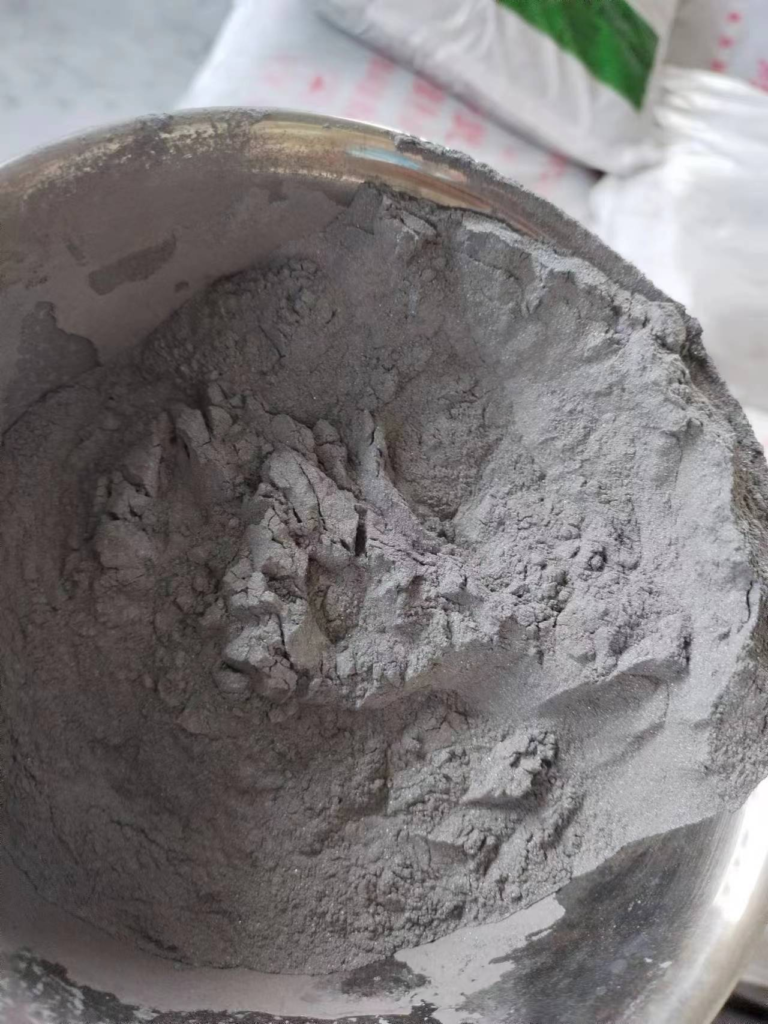
Aluminum powder is a typical “process-oriented material”: even among Al powders, differences in particle size, morphology, surface oxide layer, purity, and water/oxygen content control lead to significant variations in application value and usable process windows. In practical engineering, aluminum powder is typically defined and selected based on three key dimensions:
1. Particle Size and Distribution (PSD): From submicron to hundreds of microns, determining reaction rate, flowability, bulk density, and sintering/spraying/forming behavior;
2. Morphology: Spherical (good flowability, suitable for additive manufacturing/spraying), flake-like (strong reflection, strong coverage, suitable for pigments/coatings), irregular/atomized fragmented shape (low cost, suitable for metallurgy and some coatings);
3. Surface State: The thickness of the natural AL2O3 film, surface coating (fatty acid/silane/resin/inorganic coating), water and oxygen content, and impurities (Fe, Si, Mg, Na, Cl, etc.) significantly affect stability and end-use properties. The following sections will elaborate on the application scenarios, explaining as clearly as possible “why aluminum powder is used,” “what type of aluminum powder is used,” and “what the key control points are.”

1) Powder Metallurgy and Lightweight Structural Materials (Pressure Pressing/Sintering/CIP/HIP)
Aluminum has low density (lightweight) and good thermal conductivity, making it suitable for constructing aluminum-based composites with various reinforcing phases (SiC, Al2O3, graphene, BN, etc.). Powder metallurgy can achieve porous structures, gradient structures, and near-net-shape forming, which are difficult to achieve with traditional casting and forging.
2) Thermal/Cold Spraying and Long-Term Corrosion Protection (Marine Engineering, Petrochemicals, Steel Structures)
Aluminum forms a stable oxide film in atmospheric/marine environments, providing a composite protection mechanism of shielding + cathodic protection (sacrificial anode) after spraying. In many scenarios, aluminum spraying (or aluminum-zinc alloy spraying) is a mature long-life corrosion protection route.
Typical applications:
Offshore platforms, bridges, dock steel structures
Oil and gas pipelines and valve bodies, tank exteriors
High-temperature equipment exterior surface protection (aluminum or aluminum alloy system selected depending on operating conditions)
Aluminum powder type selection:
Thermal spraying: Emphasizes appropriate particle size distribution and molten/semi-molten state control;
Cold spraying: Emphasizes matching of powder particle size, sphericity, hardness, and gas dynamics, typically favoring spherical atomized powder to achieve higher deposition efficiency and density.
3) Metallic Pigments in Coatings, Inks, and Plastic Masterbatches (Flake Aluminum Powder/Aluminum Silver Paste)
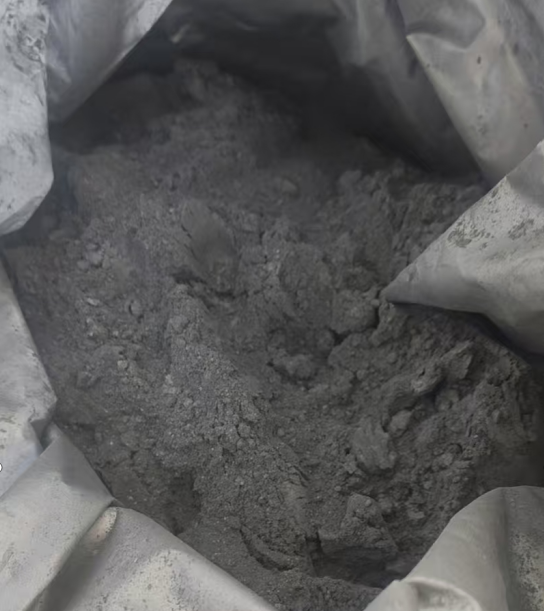
Flake aluminum powder has extremely strong mirror reflection and covering power, achieving a “metallic silver/pearlescent /shimmering” effect, while also providing certain heat insulation, reflection, and barrier properties.
Typical Applications:
Automotive paints, industrial metallic paints, architectural coatings
Printing inks (packaging, labels)
Plastic masterbatches (metallic effect injection molded parts)
Heat-insulating and reflective coatings (roofings, pipes, equipment exteriors)
Aluminum Powder Type Selection:
• Mostly flake aluminum powder or “aluminum paste” (flake aluminum powder dispersed in a solvent/resin system).
•Different surface treatment and coating systems are selected based on the system (water-based/solvent-based).
Key technical points:
• Flake diameter and aspect ratio (morphological parameters): Determine gloss, hiding power, and metallic appearance; larger flake diameters result in a shinier finish but are also more prone to settling and uneven orientation.
• Surface coating and stability: Aluminum powder is at risk of reaction (hydrogen evolution, discoloration) in water or alkaline systems, requiring organic/inorganic coating to improve chemical resistance and storage stability.
• Dispersion and orientation control: Poor dispersion can lead to uneven coloring, dullness, and a rough particle appearance; the orientation of flake particles in the coating affects the final reflectivity and uniformity.
• Weather resistance and salt spray resistance: High-end systems enhance UV/corrosion resistance through coating, resin selection, and topcoat system.
4) Energetic Materials and Exothermic Systems (Propellants, Heat Transfer Agents, Ignition Materials)
Aluminum has a high heat transfer potential per unit mass, and its combustion product Al2O3 is stable. Aluminum powder is commonly used to increase energy density and regulate combustion temperature and burning rate characteristics.
Typical applications:
Solid propellants (metallic fuel components)
Heat transfer agents (e.g., aluminothermic reaction systems)
Ignition/combustion oxidizers, special heat sources
Aluminum Powder Type Selection:
Prefers fine/ultra fine powders to improve reaction rates, but smaller particle sizes increase sensitivity, requiring higher standards of safety and dispersion control.
Specific surface treatments may be needed to reduce moisture absorption and agglomeration, or to control oxide layer thickness.
Key Technical Points:
Extremely steep particle size-reaction rate relationship: Fine powders significantly improve combustion/reaction speed, but also increase ignition sensitivity and dust risk.
Surface oxide layer: An excessively thick oxide layer reduces the effective aluminum content, affecting energy release; it also affects ignition behavior.
Moisture/impurities and safety: Moisture, chloride salts, etc., can cause storage stability issues; the powder system must be strictly protected against static electricity, moisture, and friction/shock.
Note: This type of application has high requirements for compliance, safety, and transportation classification, typically requiring strict matching with destination regulations and customer processes.
5) Additive Manufacturing (3D Printing: SLM/LPBF, etc.)
3D printing enables designs that are difficult to achieve with traditional machining, such as lightweight topologies, internal flow channel heat sinks, and integrated functional parts; the demand for aluminum alloy powders in lightweight and thermal management components is growing significantly.
Aluminum powder type selection (critical):
High sphericity atomized powder is typically required, with strict control over:
Particle size range and distribution (ensuring powder spreading and molten pool stability)
Satellite powder content (reducing spatter and porosity)
Oxygen/hydrogen content (avoiding porosity, embrittlement, and performance fluctuations)
Key technical points:
Flowability and powder consistency: directly determine interlayer uniformity and forming defect rate;
Oxygen content and powder recycling: powder may undergo secondary oxidation during printing; the number of cycles and powder replenishment strategy affect stability;
Porosity and crack control: works in conjunction with powder quality, energy density, and scanning strategy; for critical components, a binding system between powder batches and process parameters is usually required.
6) Chemical and Laboratory Applications (Reactions, Reductions, Materials Synthesis)
Aluminum powder can be used as a reducing agent, exothermic source, or participate in solid-state reactions/synthetic reactions;
In laboratory materials preparation, aluminum powder can be used to explore reaction kinetics or form specific phase structures.
Key Technical Points:
Experimental repeatability is highly dependent on powder batch consistency (PSD, oxygen content, surface condition);
Reactions sensitive to air must be operated under an inert atmosphere or glove box environment.
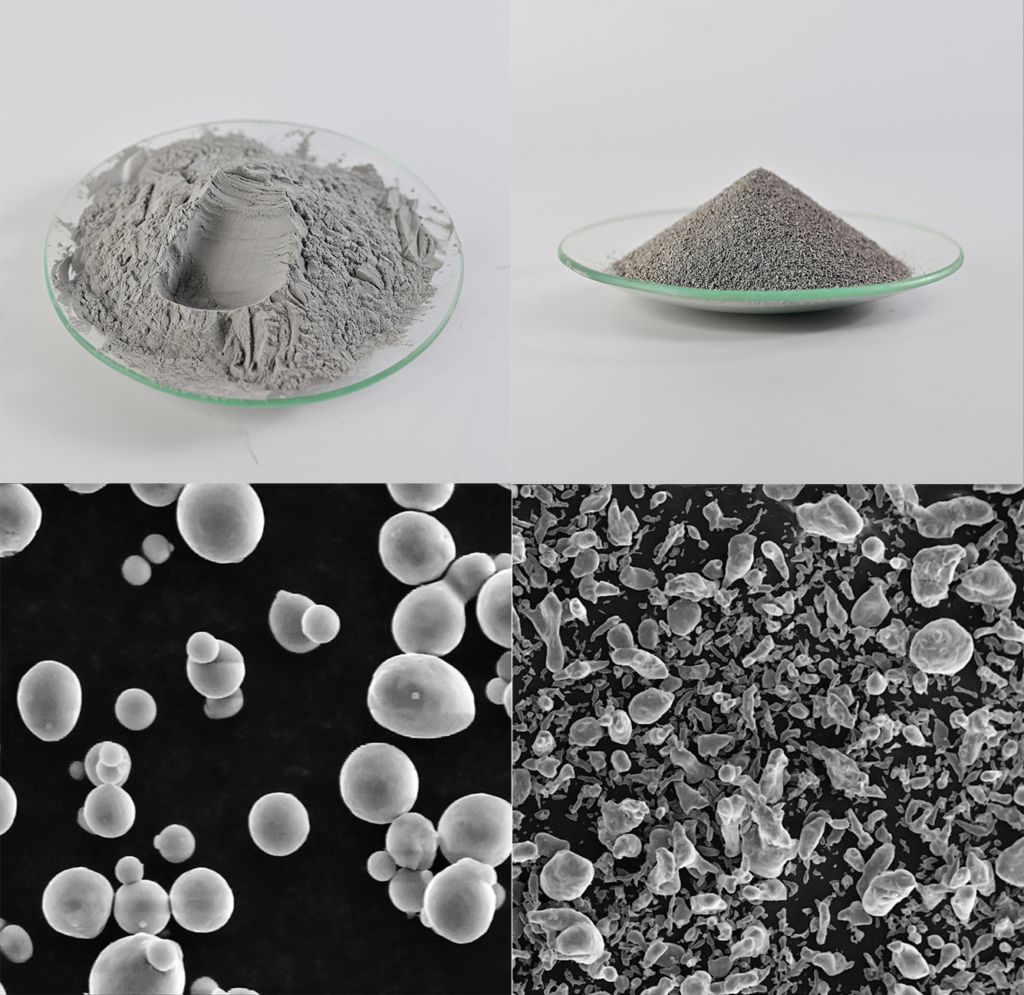
Aluminum powder’s application decided from particle size, morphology, and surface condition with processing techniques, different application routes are formed:
Irregular shape aluminum powder is more suited for powder metallurgy and some spraying applications;
Spherical atomized aluminum powder is more suited for spraying, thermally conductive fillers, and additive manufacturing;
Flake aluminum powder is almost the core form of coatings, inks, and metallic pigments
Fine/ultra fine aluminum powder is entering the fields of energetic materials, rapid reactions, and specialty synthesis, but with higher safety and compliance requirements.
SHAN DONG JIE HAN as professional manufacture of aluminum powder, not only provide aluminum powder to you , but also give technical support during all your production process. Contact us get more details. info@jhaluminiumpaste.com